Om Shanti Shanti Shantihi Movie Hdhub4ur 2025 Review Details
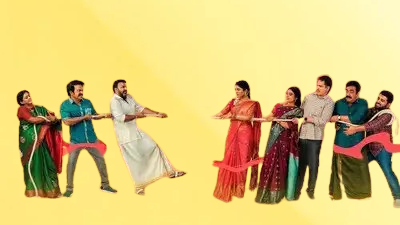
Om Shanti Shanti Shantihi Review – A.R. Sajeev’s Debut Vision: Bold Rural Satire or Risky Reinvention?

Watching a debut director reinterpret a beloved story is always a high-stakes gamble, especially in Telugu cinema where rural comedies live or die by authenticity. A.R. Sajeev steps into the 2025–2026 director spotlight with Om Shanti Shanti Shantihi, carrying both expectation and scrutiny after the film’s loud pre-release buzz and symbolic marketing.
Check showtimes, seat availability, and exclusive offers for the latest movies near you.
At its core, the film attempts to blend marital satire, folk humor, and social commentary into a distinctly Telugu cultural frame, following a newlywed couple whose power struggles turn everyday village life into a battlefield of wit, ego, and eventual understanding.
| Role | Details |
|---|---|
| Director | A.R. Sajeev |
| Writers | Vinod Krishna Chodavarapu, Nanda Kishore Emani (Dialogues) |
| Cinematography | Deepak Yaragera |
| Music | Jay Krish |
| Producers | Srujan Yarabolu, Aditya Pittie, Vivek Krishnani, Anup Chandrasekaran |
Director’s Vision – What Was A.R. Sajeev Trying to Say?
Sajeev’s intent is clear from the opening act itself: this is not just a comedy about marital fights, but a cultural satire about power dynamics disguised as entertainment. The cockfight metaphor isn’t subtle — and it isn’t meant to be.
Instead of preaching, the director chooses exaggeration. By amplifying everyday dominance into visual symbolism, he invites laughter first, reflection later.
Insight: The vision prioritizes accessibility over subtle art-house nuance.
Takeaway: Sajeev wants conversations, not quiet applause.
Directorial Style Evolution – Fresh Voice or Familiar Rhythm?
As a debutant, Sajeev doesn’t attempt radical experimentation. His style leans on rhythmic storytelling — scenes build, peak, and resolve in cycles similar to folk performances.
What feels fresh is his confidence with ensemble blocking. Crowd scenes, family confrontations, and village gatherings are staged with clarity, allowing humor to emerge naturally rather than through forced punchlines.

Insight: The director trusts performance and space more than editing tricks.
Takeaway: The style feels grounded, not showy.
Screenplay Tightness – Where the Film Holds and Where It Slips
The screenplay’s first half is razor-sharp. Conflict escalates cleanly, humor lands consistently, and character motivations are instantly readable. Sajeev maintains brisk pacing without sacrificing setup.
The second half slows intentionally, focusing on emotional consequences. While this deepens the theme, it slightly tests patience for viewers expecting nonstop comedy.
Insight: The director chooses emotional payoff over pacing uniformity.
Takeaway: Not everyone will love the slowdown, but it serves the message.
The Director’s USP – Symbolism as Mass Entertainment
The film’s biggest USP lies in its use of symbolism as crowd-pleasing spectacle. Cockfights, household chores, and village rituals are elevated into narrative metaphors without losing their local flavor.
This approach allows Sajeev to discuss sensitive themes without heavy dialogue. Visual repetition reinforces meaning while staying entertaining.
Insight: Symbol-driven storytelling boosts recall value.

Takeaway: The director’s signature lies in visual metaphors rooted in culture.
| Film | Impact Level | Directorial Strength |
|---|---|---|
| Current Film | High | Symbolic Storytelling |
| Comparable Rural Comedies | Moderate | Situational Humor |
| Message-Driven Dramas | High | Emotional Resolution |
Performance Handling – A Director’s Grip on Actors
Sajeev extracts layered performances from his leads. Tharun Bhascker is allowed to oscillate between charm and discomfort without caricature, while Eesha Rebba’s arc is handled with gradual progression rather than instant transformation.
Supporting actors are used economically — none overshadow the core conflict, yet each adds texture to village life.
Insight: Performance restraint strengthens realism.
Takeaway: Sajeev understands character rhythm.
Technical Execution – Vision vs Practical Output
Visually, Sajeev’s collaboration with Deepak Yaragera pays off. The camera doesn’t glamorize poverty or rusticity; it observes it. Color grading reinforces mood shifts without distracting saturation.
Sound design and background score complement the director’s pacing choices, enhancing tension without overpowering dialogue.
| Aspect | Concept | Final Output |
|---|---|---|
| Visual Symbolism | Strong | Effectively Executed |
| Narrative Balance | Challenging | Mostly Achieved |
| Emotional Resolution | High Priority | Clearly Delivered |
Future Potential – What This Film Means for A.R. Sajeev
With Om Shanti Shanti Shantihi, Sajeev establishes himself as a director unafraid of mixing message with mass appeal. His strength lies in cultural translation — adapting themes without diluting regional flavor.
If future projects sharpen pacing consistency, he could emerge as a strong voice in socially rooted entertainers.

Insight: This debut sets a solid foundation, not a ceiling.
Takeaway: Sajeev shows promise as a director with thematic clarity.
FAQs
Question: Is A.R. Sajeev’s direction experimental?
Answer: It is symbol-driven rather than structurally experimental.
Question: Does the director balance comedy and message well?
Answer: Mostly yes, though emotional sections slow pacing slightly.
Question: Does this film establish Sajeev as a director to watch?
Answer: Yes, especially for culturally rooted narratives.
Ratings are purely my take after multiple watches — your experience might differ!